
Independent Analysis.
Built Around the Data.
Trojan Analytics was founded with a simple objective: to coordinate independent analytical testing with transparent methodology, sample traceability, and documented results.
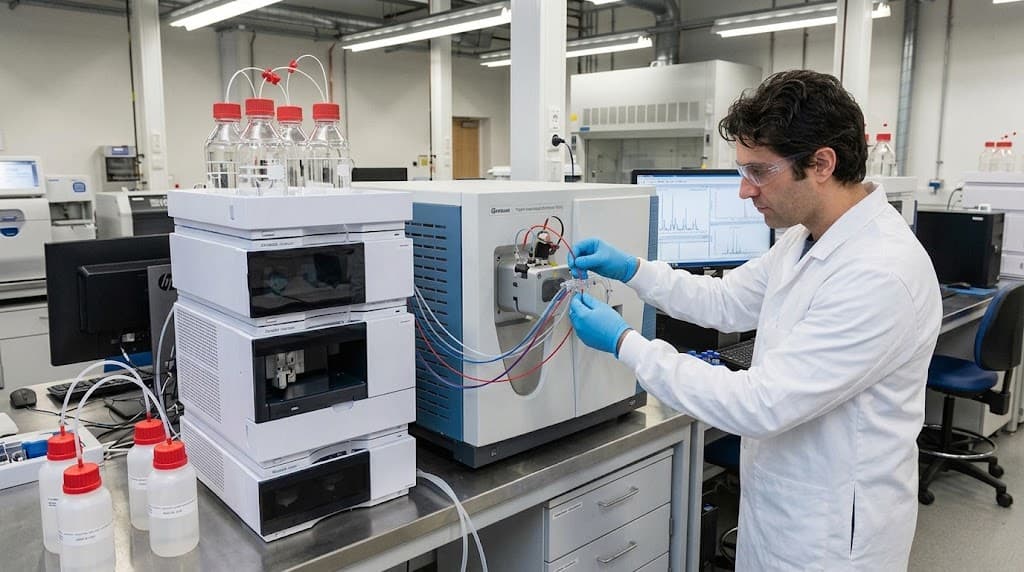
Built on independent science
Trojan Analytics began in 2022 with a shared idea between its founders, Aaron and David, to build an independent analytical testing organization focused on transparency, traceability, and documented analytical results.
Aaron completed an MSc in Pharmaceutical Sciences at the University of Toronto, and David completed an MSc in Chemistry at the same institution. Their combined backgrounds in pharmaceutical sciences, chemistry, and analytical science shaped how Trojan Analytics approaches independent testing — with an emphasis on clear methodology and results that trace back to the sample and analysis behind them.
Foundation
Research & Development
Laboratory Development
Testing Infrastructure
Trojan Analytics
Independent by design
Independent by Design
Trojan Analytics does not manufacture, sell, or distribute the materials it tests. Every result reflects the sample and the analysis performed on it — not a relationship with a manufacturer or seller.
Scientific Documentation
Reports disclose the method and instrument type used to reach each result.
Sample Traceability
Every sample is logged at intake and tracked through analysis.
Quality Procedures
Testing follows documented internal procedures for handling and review.
Transparent Reporting
Each report carries an identifier that can be checked against our records.
Analytical Capabilities
Chromatographic and mass-spectrometric methods suited to the sample type.
A platform built around the process
Trojan Analytics is building a testing platform organized around every stage of independent testing — from submission through a verifiable digital report — so the process stays easy to navigate while the underlying analytical work remains documented and transparent.
What we test
Identity & Molecular Mass
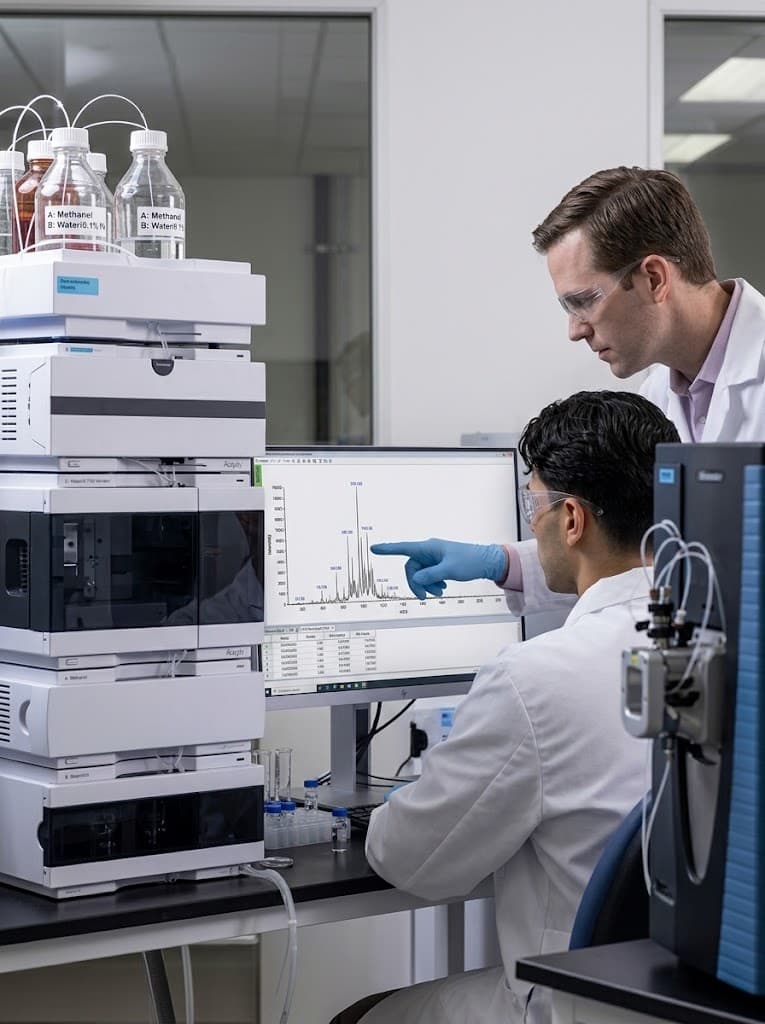
LC-MS/MS evaluates molecular identity by comparing chromatographic behavior and mass-to-charge characteristics against the expected analyte.
Purity Analysis
HPLC/UPLC separates the principal analyte from related components to support a purity assessment.
Quantitative Content
Quantitative analysis compares a sample against an appropriate reference standard using a suitable analytical method.
HPLC / LC-MS/MS
Liquid chromatography separates sample components; mass spectrometry detects and characterizes them by mass-to-charge ratio.
Trace Elements / Heavy Metals
ICP-MS can quantify selected elements following appropriate sample preparation and calibration.
Endotoxin Testing
An appropriate endotoxin assay can be used to assess endotoxin levels in suitable samples.
Custom Analytical Work
Custom analytical work may involve method selection, sample preparation, or adapting an existing workflow to a specific analyte.